Guide for business owners
Health for small business owners: looking after the person the business depends on
How to look after your energy, sleep and stress when you run a small business and you are the person who cannot get sick.
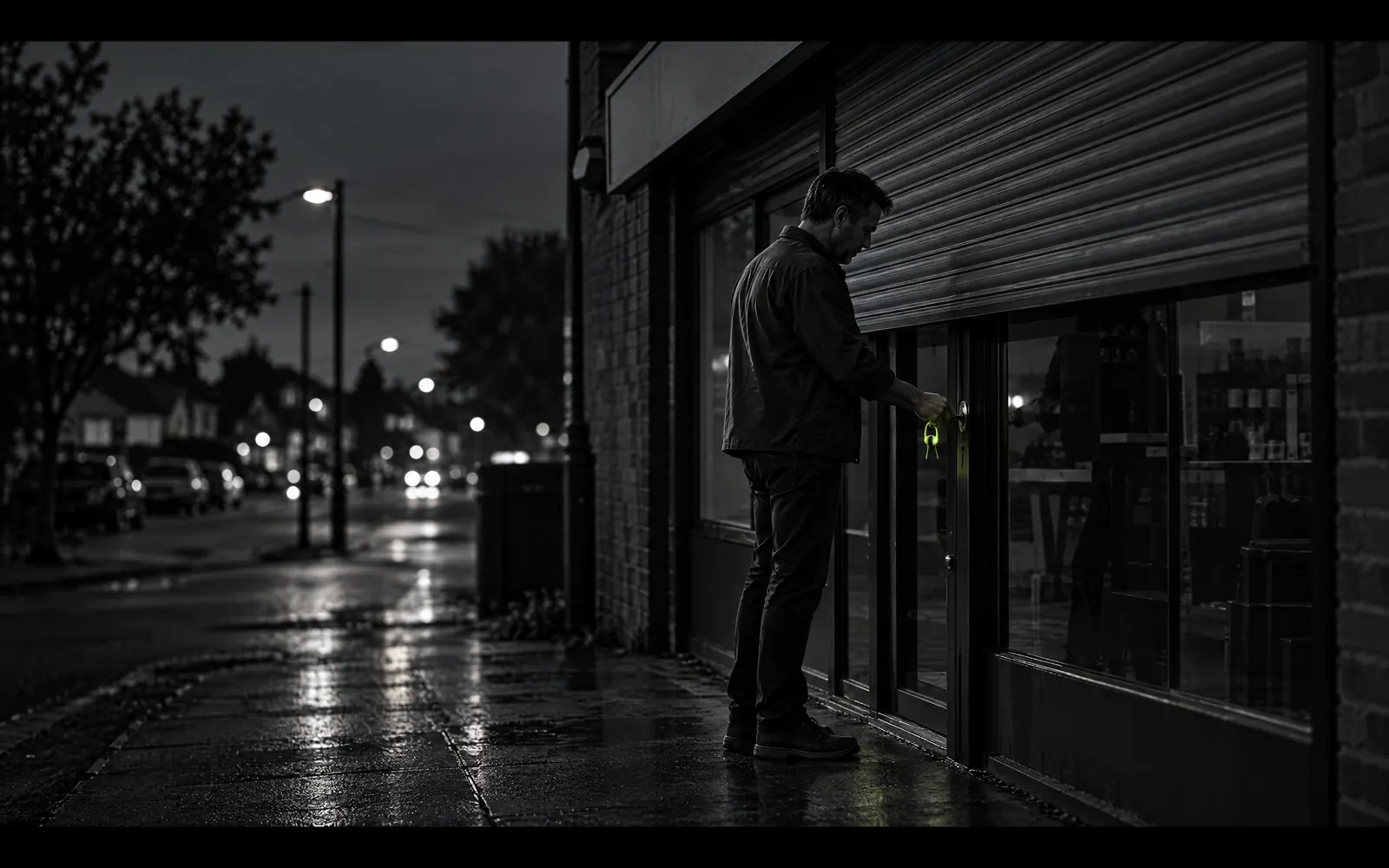
Small business owners tend to look after the business first and themselves last. Early starts, staff, cash flow and being the person who can't get sick add up to long-running stress, short sleep and very little time for a GP. The most useful thing you can do is treat your own health like part of the business: measure it, protect the basics (sleep, food, movement, a stop time), and get help early rather than when something breaks.
This guide is written around an owner's real week. It covers why business owner stress builds, the signs of burnout to watch for, the checks worth doing once a year, what to change first, and the free support available in Australia. There's also a section on real estate, where weekend work and targets add their own load.
It's general information, not a diagnosis. If something here sounds like you, a conversation with a doctor is the right next step.
Why is running a small business so stressful?
There are a lot of you. The ABS counted about 2.8 million actively trading businesses in Australia at June 2026, and just under a million of them employ staff. Behind each employing business is someone who carries payroll, rosters and other people's livelihoods as well as their own.
A 2020 study for the federal Department of Industry surveyed 1,015 small business owners. The main sources of stress were financial concerns and the effect of the business on family and personal life. Nearly one in three (28%) reported a diagnosis of stress, depression or anxiety in the previous 12 months. The study also found stress was probably underreported: owners often said they were fine, then mentioned problems like not sleeping later in the conversation.
The week itself explains a lot:
- Early starts and late finishes. Opening up, stock, quotes and invoices often happen before and after the "real" work.
- Cash flow. Late payers, tax bills and quiet months follow you home.
- Staff. Hiring, rosters, sick calls and keeping good people all land on you.
- No cover. If you're sick, the business slows or stops.
- No boss to notice. Nobody is checking whether you're coping.
Safe Work Australia lists high job demands, low job control, poor support and isolated work among common psychosocial hazards, and says stress that is frequent, long-running or high can cause harm, including sleep disorders. Our post on signs of job burnout when you own the business is written for exactly this situation.


What happens when you're the person who can't get sick?
Most owners know the feeling. A cold becomes a week of working through it. A sore back becomes something you'll "get looked at after the busy period". A check-up you meant to book in March is still not booked in November.
That isn't laziness. When the business depends on you, every hour off costs money or lets someone down. The trouble is that small problems are easiest to deal with early, and owners tend to deal with them late. The 2020 study found many owners either said they had no stress (21%) or that they'd just cope by themselves (9%), particularly older men. Barriers to getting help included cost, lack of time, and services not being available outside business hours.
A few ways owners make health care fit the week:
- Book the year's checks in January. Put a GP visit and blood test in the calendar like a BAS deadline.
- Use quiet times. Many pathology collection centres open early, so bloods can happen before you open.
- Use telehealth. A video consultation removes the travel and waiting room.
- Write down symptoms as they happen. It makes a short appointment more useful.
The most expensive thing for a small business is usually not an hour at the doctor. It's the owner running at half capacity for a year without knowing why. Read why am I so tired all the time for the common causes, and our low energy page for how Hustl approaches it.
From the journal

Energy, 7 min read
Why am I so tired all the time? The common causes
Constant tiredness usually has a cause, or a few stacked together. Here's how to work out which ones are yours.
Energy, 5 min read
The boring causes of founder fatigue
Iron, B12, thyroid and blood sugar. Unglamorous, common and very fixable.
How do staff and cash flow pressure follow you home?
Employees go home at five. Owners take the business with them. The roster gap for Saturday, the customer who still hasn't paid, the staff member who seems unhappy, the quarterly tax bill: none of it switches off when the door is locked.
Money is usually the heaviest part. In the 2020 study, financial concerns were one of the two main sources of stress for owners, and owners with staff also worried about the welfare of their employees. That's a particular kind of weight. You're not only responsible for your own income, you're responsible for other people's rent and mortgages.
Long-running stress like this shows up in the body as well as the mind. Common signs are lighter, broken sleep, a racing mind at night, headaches, tight shoulders, a shorter temper, and either comfort eating or forgetting to eat. Many owners also notice they get sick more often during their busiest or most worrying stretches.
Things that help many owners carry it better:
- Look at the numbers on purpose. A set time each week for cash flow is less draining than checking the bank app all day.
- Use your advisers. An accountant or bookkeeper who explains your position clearly turns dread into a plan.
- Plan for the lean months. A small buffer, even a few weeks of costs, takes a lot of the 2am worry out of a quiet month.
- Share decisions. A senior staff member, business partner or mentor can take some of the thinking off you.
- Keep a real day off. One day a week where you don't open the inbox gives your body a chance to come down.
If the worry has stopped easing even when business is good, or it's affecting your mood at home, it's worth talking to a doctor. If you're running on coffee and nerves, the caffeine and anxiety post below is worth a read.
How does business owner stress affect your sleep?
Stress and sleep feed each other. The Sleep Health Foundation's 2026 snapshot found 36.9% of Australian workers said work-related factors affect their sleep on the nights they don't sleep well. Across the community, the most common reasons for poor sleep were a busy mind (41.1%), worry or anxiety (35.5%) and financial stress (25.4%). For a business owner, those three often arrive together at 2am.
The same survey found 38.1% of Australians say poor sleep affects their productivity three or more days a week. For owners, that shows up as slower decisions, shorter patience with staff and customers, and mistakes on quotes and invoices.
Owner sleep tends to break down in predictable ways:
- Very early starts, followed by a late night doing admin
- Checking the bank balance or emails in bed
- Waking early with a list of problems already running
- Coffee to get going and a drink to come down
- Snoring or daytime sleepiness that's been put down to "just being busy"
Two things help most owners more than anything else: a steady wake time (even if it's early) and a short buffer between work and bed. Write tomorrow's list down before you stop, so your brain doesn't have to hold it overnight.
For women in their 40s and 50s who run a business, there's often another layer. In the same Sleep Health Foundation survey, 63.9% of people going through perimenopause or menopause said their sleep had worsened in some way. Night sweats and early waking on top of business worry can make a hard stretch much harder. It's worth raising with a doctor rather than putting it down to stress alone.
Our post on stress and sleep is a good starting point. If you snore or wake unrefreshed, read about the signs of sleep apnoea, which is common and very checkable. The sleep page covers what a doctor looks at.
What are the signs of burnout in business owners?
Burnout usually arrives slowly. The World Health Organization describes three parts: exhaustion, growing distance or cynicism about your work, and reduced effectiveness. In a small business it often looks like this:
- Dreading opening up, or Sunday nights
- Snapping at staff or customers you used to enjoy
- Putting off decisions, quotes and calls back
- Working longer hours with less to show for them
- Needing more coffee to start and more alcohol to stop
- No longer enjoying the parts of the business you started it for
Owners often see it in the business before they see it in themselves. Follow-ups slip, good staff seem unsettled, and you say yes to work you should have turned down because saying no takes energy you don't have.
Several of these signs together, lasting weeks, is worth acting on. It doesn't mean it is definitely burnout. Low iron, thyroid problems, poor sleep and low mood can all look similar, so it's worth checking for those too. Try the am I burnt out? self-check. The posts below include one on recovering while you keep working, because most owners can't simply shut the doors.
If your mood is low across all of life, not just work, please talk to your GP. Beyond Blue (1300 22 4636) and Lifeline (13 11 14) are available any time, and call 000 in an emergency. Our stress page explains how Hustl's doctors approach stress and burnout.
Why do real estate agents burn out?
Real estate has most of the pressures of owning a business, plus a few of its own. Many agents work on commission, many run their own rent roll or office, and almost all of them work when everyone else is off.
- Weekend work. Open homes and auctions take Saturdays, and often Sundays. Recovery days get squeezed into a Monday that's already busy with follow-ups.
- Targets and uneven income. Listings, sales and commission come in waves. A quiet month can feel like a threat, and a busy one leaves no room to rest.
- Always on the phone. Buyers, vendors and tenants expect quick replies, at night and on weekends.
- Emotional work. Vendors are often selling after a death, divorce or financial strain. Managing other people's stress is tiring.
- Time in the car. Long days driving between appraisals and inspections mean takeaway meals and little movement.
The pattern that wears agents down is often the lack of a real break rather than any single long day. A big campaign runs into the next one, the weekend runs into Monday, and the phone never goes quiet long enough for the body to come down. Over months, that can look a lot like the burnout signs above: dreading the next open, short patience with buyers, and needing a drink to stop thinking about a deal that might fall over.
Principals and office owners carry both loads at once: their own listings plus the team's targets, rosters and wellbeing. If that's you, the owner sections of this guide apply twice over.
Practical changes that fit the job:
- Take a genuine day off each week, and tell clients which day it is.
- Set phone hours for non-urgent calls, with a colleague covering when you can.
- Keep food in the car so lunch isn't a servo pie at 3pm.
- Watch the Saturday-night drinks that follow a long weekend of opens.
Our page for real estate agents covers how Hustl works around the weekend schedule.

Which health checks should a business owner get each year?
If you only do one thing from this guide, make it a yearly check with real numbers. It turns vague tiredness into something you can act on, and it catches slow problems while they're still small.
A useful yearly set for a busy owner usually includes:
- Blood pressure: often raised without symptoms.
- Full blood count: checks for anaemia and infection.
- Iron studies with ferritin: your iron stores.
- Thyroid function (TSH): a common, checkable cause of tiredness.
- HbA1c and glucose: your blood sugar over the past few months.
- Cholesterol: your blood fats, worth checking regularly as you get older.
- Kidney and liver function: part of a general check, especially if you drink regularly.
- Vitamin D and B12: both can run low, especially if you work indoors.
- Testosterone (men): worth checking if you have low energy, low drive or poor recovery. See our hormone check page.
Women with heavy periods should also read heavy periods, iron and tiredness, because low iron is common and often missed.
A Hustl Baseline covers these blood tests with a questionnaire, a video consultation with an Australian-registered doctor and a written plan within 48 hours. You can see what's involved on how it works and the cost on pricing. Our full blood test explainer walks through each result in plain words.

What can a busy business owner change first?
Most owners don't need a new morning routine with twelve steps. They need two or three changes that survive a busy week. Pick from these:
- A steady wake time. Early is fine. Steady is what matters.
- A stop time. Three nights a week, work ends at a set time. Write tomorrow's list, then close the laptop.
- Lunch, every day. Owners who skip lunch often pay for it at 3pm with sugar and coffee.
- A caffeine cut-off. No coffee after midday for two weeks.
- Fewer drinks on work nights. The NHMRC guidelines suggest no more than 10 standard drinks a week and no more than 4 on any one day for healthy adults.
- Movement you'll actually do. A walk before you open, or a short session at lunch. If you train, the recovery page explains why rest days count.
- One task off your plate. Bookkeeping, rosters or social media. Something you can pay for or hand over.
Holidays help, but the effect tends to fade quickly once you're back. Plan small weekly recovery rather than relying on one break a year.
If brain fog is the main problem, our focus page is the best place to start, along with the brain fog post below.
From the journal

Where can small business owners get mental health support?
You don't have to wait until things are bad. There is free support designed for small business owners in Australia.
- NewAccess for Small Business Owners. Beyond Blue runs a free and confidential mental health coaching program for small business owners and sole traders. You can have 6 coaching sessions plus 2 follow-ups, and no GP referral is needed. Details are on business.gov.au.
- Your GP. A GP can talk through how you're going, check for physical causes of tiredness and low mood, and refer you on if needed. In the 2020 study, 28% of owners who had accessed mental health support did so through their GP or through industry bodies and associations.
- Beyond Blue. 1300 22 4636, any time, for anyone feeling stressed, anxious or low.
- Lifeline. 13 11 14, any time, for crisis support. Call 000 in an emergency.
- Your peers. A local business group, an industry association or a mentor who has been through it.
Beyond Blue's guidance on work and mental health is a good read if you're unsure whether what you're feeling is normal pressure or something more.
If you're not sure what to say when you get there, keep it simple. Tell the doctor how long you've felt this way, what's changed in your sleep, mood, energy and drinking, and what's going on in the business. You don't need the right words. Saying "I run a small business and I'm not coping as well as I used to" is enough to start the conversation, and it's a conversation doctors have often.
Asking for help early isn't a sign the business is failing. It's the same thinking you'd apply to a cash flow problem: the sooner you look at it, the more options you have.
If you're also building a startup, our guide for founders covers fundraising stress, travel and the identity side of running a company.
A week that works
- Book this year's GP visit and blood test now, like a tax deadline
- Wake at the same time every day, even on early-start days
- A set stop time on at least three nights a week
- Eat a proper lunch before 1pm
- No coffee after midday for two weeks
- Alcohol-free work nights, at least three a week
- Write tomorrow's list down before you finish for the day
- Hand one task to someone else this month
- Real estate: one genuine day off a week, and tell clients which one
Where people like you start
Common questions
Why do small business owners get so stressed?
The main sources are usually money and the effect of the business on family life. Owners carry cash flow, staff and customers, often with long hours and no one to cover them. A 2020 federal study of 1,015 owners found financial concerns and family and personal life were the top stressors, and that owners often underreported how stressed they were.
How common is burnout in small business owners?
There isn't a single reliable burnout figure for Australian owners, but stress is common. In a 2020 study for the federal Department of Industry, nearly one in three small business owners (28%) reported a diagnosis of stress, depression or anxiety in the previous 12 months. Many others said they had no stress or would just cope alone, which suggests the real picture may be higher.
What health checks should a business owner get?
A yearly check is a good habit. It usually includes blood pressure, a full blood count, iron studies with ferritin, thyroid function, HbA1c or glucose, cholesterol, and kidney and liver function. Vitamin D, B12 and, for men with symptoms, testosterone may also be useful. A doctor can help decide what suits your age, history and symptoms.
Is there free mental health support for small business owners?
Yes. Beyond Blue's NewAccess for Small Business Owners is a free and confidential coaching program for small business owners and sole traders, with 6 sessions plus 2 follow-ups and no GP referral needed. You can also see your GP, call Beyond Blue on 1300 22 4636 or Lifeline on 13 11 14, and 000 in an emergency.
How can I find time to see a doctor when I run a business?
Treat it like any other business deadline. Book your yearly check in January, use early-opening pathology collection centres before you start work, and use telehealth to cut out travel and waiting rooms. Writing down symptoms as they happen helps you get more from a short appointment. Waiting until a quiet patch usually means it doesn't happen.
Why are real estate agents prone to burnout?
Real estate combines weekend work, targets, commission-based income and constant phone contact. Open homes and auctions take up Saturdays, so recovery days get squeezed. Agents also manage other people's stress during big life events. A genuine day off each week, set phone hours, regular meals and fewer drinks after long weekends can all help.
When should a business owner see a doctor about tiredness?
See a doctor if tiredness lasts more than two weeks without improving, if your mood is low across your whole life, if you're drinking more to switch off, or if you notice symptoms like breathlessness, chest pain, snoring with daytime sleepiness, or unexplained weight loss. If you have thoughts of harming yourself, call Lifeline on 13 11 14, or 000 in an emergency.
Sources
- Department of Industry, Science, Energy and Resources: Small Business and Mental Health report, July 2020
- ABS: Counts of Australian Businesses, including Entries and Exits, July 2022 to June 2026
- business.gov.au: NewAccess for Small Business Owners (Beyond Blue)
- Sleep Health Foundation: Work stress fuelling Australians' poor sleep (Aussie Sleep Snapshot Survey 2026)
- Safe Work Australia: Psychosocial hazards
- NHMRC: Australian guidelines to reduce health risks from drinking alcohol
- Healthdirect: Fatigue
- World Health Organization: Burn-out an occupational phenomenon (ICD-11)
- Beyond Blue: Work and mental health
- Lifeline Australia: 13 11 14
General information only, not medical advice. Hustl is not an emergency service. If you need urgent help, call 000. For crisis support, call Lifeline on 13 11 14.