Guide for executives
Executive health: staying sharp through a long professional week
Long hours, client dinners, flights and decisions all day. Here's what that week does to your energy, and what's worth measuring.
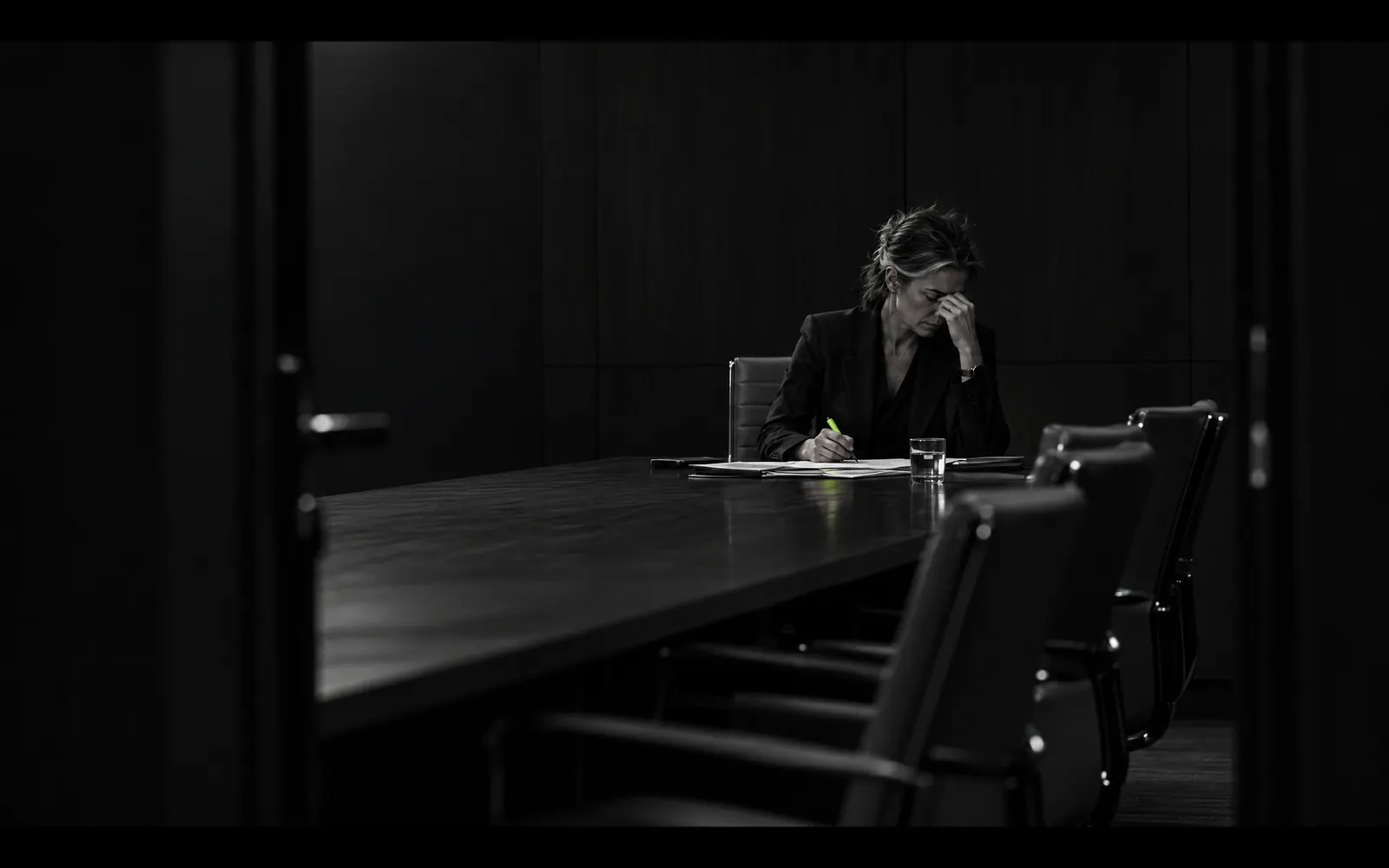
Executive health comes down to a handful of things a demanding professional week quietly wears down: sleep, stress load, movement, alcohol, and the basics a blood test can check. For lawyers, finance and banking professionals, insurance leaders and executives in Australia, the most useful approach is rarely a single check once a year. It's a baseline of real numbers, a few changes that fit your calendar, and someone tracking whether those changes are working.
This guide is built around the week you actually have. Long days and billable targets. Back to back meetings and decisions that never stop. Flights, client dinners and a desk you barely leave. We'll go through what each of those does to your energy and focus, which measures are worth knowing, what to change first, and when it's time to see a doctor.
None of this is about doing more. Most professionals we talk to are already doing plenty. It's about finding the one or two things that are draining you most, and dealing with those.
What does a long working week do to your health?
Long hours aren't just tiring. Over years, they show up in your heart and blood vessels. In 2021, the World Health Organization and the International Labour Organization published the first global estimate of the health cost of long working hours. They found that working 55 hours or more a week was linked with an estimated 35% higher risk of stroke and a 17% higher risk of dying from ischaemic heart disease, compared with working 35 to 40 hours a week.
Across the world, they estimated 745,000 deaths from stroke and ischaemic heart disease in 2016 were linked to long hours, a 29% rise since 2000. Those are population numbers, not a prediction for you. But they make a point most professionals already feel: a 60 hour week has a cost, and it's paid slowly.
The hours themselves are only part of it. What sits around them matters just as much:
- Less sleep, because the work expands into the evening and the phone comes to bed
- Less movement, because the day is meetings, screens and a car or train either side
- More stress that never fully switches off, because clients and markets don't keep office hours
- More alcohol and rich food, because so much of the relationship work happens over a meal
Each of these is small on its own. Stacked together, five days a week, for years, they're the slow leak we write about in burnout is a slow leak. If your week looks like this, our page for executives sets out how Hustl works around it.


Why do lawyers and finance professionals feel so drained?
Professional services work has a particular shape. Your time is the product. Billable targets turn every hour into something counted, and the work is detailed, high stakes and often urgent. In finance and banking, deal cycles, reporting dates and market hours set the pace. In insurance, big weather events and claims peaks arrive without warning. In every one of these fields, the client's deadline usually wins over your own.
The research on lawyers in Australia is sobering. A 2025 survey of about 1,900 lawyers across Victoria, New South Wales and Western Australia, led by researchers at the ANU and the University of Melbourne, found that junior lawyers, and senior lawyers with management responsibilities, reported higher than average psychological distress. About half said their workplace culture harmed their wellbeing. About one in three wanted to leave their firm, and one in 10 planned to leave the profession within a year.
The Victorian Legal Services Board, reviewing the wider research, says rates of psychological distress have been consistently found to be relatively high across the legal profession, with depression appearing particularly high among law students, solicitors and barristers. The same 2025 survey found that incivility at work was linked with higher distress, and good support at work with lower distress. In plain words: it isn't only about your personal resilience. The environment counts.
Seniority doesn't always make it easier. Partners, directors and executives often swap billable pressure for responsibility pressure: people to manage, numbers to hit, clients to keep. The same survey found senior lawyers with management roles reported higher distress, alongside juniors. If you've moved up and feel worse rather than better, you're not imagining it.
What this tends to look like day to day:
- Waking tired and running on coffee by 9am
- Rereading the same paragraph, or putting off a decision you'd normally make in seconds
- Feeling flat or cynical about work you used to care about
- Struggling to switch off at night, then struggling to wake up
If several of those are familiar, our posts on the signs of job burnout and whether you're burnt out are a good next read. We also have pages for law, finance, banking and insurance.
From the journal

Stress, 4 min read
Signs of job burnout when you own the business
When there's no boss to notice and the business is your identity, burnout at work is easy to miss. Here's what to look for.

Stress, 7 min read
Burnout symptoms: the early signs, and what to rule out
Exhaustion, cynicism and feeling less effective are the classic signs. Some of them have physical causes worth checking first.
Is decision fatigue why I'm foggy by mid afternoon?
Maybe in part, but it's rarely the whole story. "Decision fatigue" is a popular idea: that making decision after decision wears down your ability to make good ones. The research on it is mixed, and it's hard to separate from the other things going on in a busy day. What's clear is that the afternoon fog most professionals feel usually has a few common, ordinary causes you can actually do something about.
- Short or broken sleep. Even one bad night affects attention and memory the next day. Our post on lack of sleep and brain fog goes through what one night does.
- Coffee timing. A coffee at 3pm to get through the last meeting can still be working on your brain at bedtime, which sets up tomorrow's slump. See your coffee is borrowing from tomorrow.
- Lunch, or no lunch. A big, refined lunch, or skipping it and grazing on whatever's in the meeting room, can leave you flat a couple of hours later.
- Back to back meetings. No break between calls means no recovery. Attention drops, and so does the quality of what you decide.
- Something physical. Low iron, a thyroid problem or blood sugar running high can all feel like "I'm just tired". These are things a blood test can check.
Before you blame yourself for not having enough willpower, look at the pattern. When does the fog arrive? What did you sleep, eat and drink beforehand? Our post on the 3pm crash walks through how to read your own pattern, and the focus page explains how a doctor approaches ongoing brain fog.
It also helps to separate tired from foggy. Tired is wanting to lie down. Foggy is being awake but slow: losing words, missing details, needing to read things twice. Both are common in a long week, but fog that's there most days, even after a good weekend, is worth raising with a doctor rather than pushing through with more coffee.
A practical change that helps many people: put your hardest thinking work in the morning, protect it from meetings, and leave lower stakes tasks for the afternoon.
From the journal
Energy, 5 min read
Your 3pm crash has a cause
A crash at the same time every day is a pattern, and patterns have causes. Here are the usual suspects.

Focus, 7 min read
Brain fog: what causes it, and the tests worth asking about
Brain fog is a signal, not a personality trait. Here are the common, checkable causes and the blood tests worth asking about.
How do client dinners and alcohol affect your energy?
In a lot of professional jobs, drinking is part of the work. Client dinners, Friday drinks, conferences, end of deal celebrations. It adds up faster than most people notice.
Australia's alcohol guidelines, from the NHMRC, say that to reduce the risk of harm, healthy adults should drink no more than 10 standard drinks a week and no more than 4 standard drinks on any one day. A standard drink is 10 grams of alcohol. A generous restaurant pour of wine, or a cocktail, is often more than one.
The energy cost is mostly about sleep. Alcohol can help you fall asleep, but it breaks up the second half of the night, so you wake less rested even if you were in bed for eight hours. For some people, the morning after also brings a spike of anxiety, which we cover in hangxiety. Two or three dinners a week can mean two or three rough mornings a week, and that's before the weekend.
Things that help without turning you into the person who won't have a drink:
- Decide your number before you arrive, and tell no one
- Alternate every drink with water
- Eat properly, early in the evening
- Have at least a few alcohol free days a week, and protect the night before a big day
- Stop drinking well before bed, so your body has time to process it
If you notice you can't get through a week without a drink most nights, pay attention to that. It doesn't mean something's wrong with you, but it's a sign the job may be using alcohol as its off switch, and that tends to cost energy and mood over time.
Our post on the drink that wrecks tomorrow explains what's happening overnight in more detail.

Does sitting all day matter if you go to the gym?
It does. An early workout is good for you, but it doesn't fully cancel out ten hours sitting at a desk, in meetings and in transit. Australia's physical activity and sedentary behaviour guidelines treat these as two separate things: being active, and limiting and breaking up long periods of sitting.
For adults aged 18 to 64, the guidelines recommend:
- Moderate to vigorous activity for 30 minutes or more on most days
- Muscle strengthening activities on 2 or more days a week
- Activities for mobility, balance and coordination on 3 or more days a week
- Several hours of light activity across the day
- Breaking up long periods of sitting as often as you can
- 7 to 9 hours of good quality sleep, with consistent bed and wake up times
For a professional, the light activity and the breaks are usually the hardest part. Some ways to fit them in:
- Take phone calls standing, or walking
- Book 25 or 50 minute meetings instead of 30 or 60, and use the gap to move
- Get off a stop early, or park further away
- Use the stairs for anything under a few floors
Two numbers worth knowing here are your blood pressure and your resting heart rate. Both can drift up quietly over years of long desk days, and both are easy to track. Our posts on resting heart rate and high blood pressure and tiredness explain what the numbers mean.
How do stress and travel wreck your sleep?
Work is one of the biggest reasons Australians sleep badly. In the Sleep Health Foundation's 2026 Aussie Sleep Snapshot Survey, 36.9% of workers said job related factors disrupted their sleep on the nights they slept poorly. Those workers were more likely to sleep poorly on three or more nights a week (62.2% compared with 48.5%), and more likely to fall short at work on four or more days a month because of poor sleep (46.8% compared with 28.9%).
That's the loop many professionals are stuck in. Stress makes sleep worse. Poor sleep makes the next day harder and more stressful. Our post on stress and sleep goes through how to break it.
Travel adds its own layer. Healthdirect describes jet lag as a short term sleep disorder caused by your body clock being out of step with the new time zone. It can be worse the more time zones you cross, especially flying east, and adjusting usually takes at least 2 or 3 days. Even domestic trips, with an early flight to Sydney and a late one home, cost you sleep at both ends.
For frequent flyers, alcohol and extra coffee on the plane tend to make jet lag harder. Water, eating at local meal times and a short walk in daylight on arrival usually do more than any gadget.
Some habits that help:
- Keep a consistent wake up time, even after a late night
- Get daylight early in the day, especially after flying
- Give yourself a buffer between your last email and lights out
- Keep the phone out of the bedroom, or at least off the bedside table
- After a long haul trip, keep the first day back light if you can
If you're doing all of that and still waking unrefreshed, snoring, or nodding off in afternoon meetings, it's worth asking a doctor about sleep apnoea. Our sleep page explains how Hustl approaches it.
Is an annual executive health check enough?
An annual executive health check can be useful. It gives you a snapshot: blood pressure, a set of blood tests, maybe a fitness or heart check, and a conversation about risk. If you've never had one, it's a good start.
The limit is in the word "annual". One snapshot can tell you where you are. It can't tell you whether the changes you made in February worked by May, or why you felt terrible in the middle of a big transaction. Many packages also follow a set list rather than starting from how you actually feel.
What tends to be more useful for a busy professional:
- Start with symptoms and goals. What's bothering you? Afternoon fog, poor sleep, low drive, feeling flat? That shapes which tests matter.
- Get a proper baseline. Real blood results and a few simple measures, read by a doctor who looks at the whole picture, not just whether each number is in range.
- Change a small number of things. Two or three changes you can keep in a real week.
- Retest and adjust. See whether the numbers and the way you feel have moved.
Before any health check, write down a few things: roughly how many hours you've slept a night over the past fortnight, how many drinks you have in a week, how much you move, and the two or three symptoms that bother you most. That turns a generic check into a useful one, and gives you something to compare against next time.
Your GP is still central to this, and the RACGP's preventive health guidelines (the Red Book) set out which checks are recommended at different ages and risk levels. If you don't have a regular GP, it's worth getting one.
A Hustl Baseline is built on that loop: a medical questionnaire, blood tests, a video consultation with an Australian-registered doctor and a written plan within 48 hours. You can read what a Baseline actually involves, see how it works, or check pricing.
From the journal
Hustl, 4 min read
What a Baseline actually involves
Intake, bloods, a doctor consultation and a written plan. Here's each step.

Hustl, 7 min read
Full blood test explained: what's in it and what it means
FBC, iron, thyroid, HbA1c and more, in plain words. What each part of a full blood test checks, and how to read your results.
Which blood tests and measures are worth asking about?
There's no single right list for everyone, and your doctor will tailor it to your age, history and symptoms. But for a professional who's tired, foggy or flat, these are the tests and measures most often worth a conversation:
- Full blood count: checks for anaemia and other changes in your blood cells
- Iron studies, including ferritin: your iron stores, which can run low before you're anaemic, especially with heavy periods
- Thyroid function (TSH): an underactive or overactive thyroid can affect energy, mood and weight
- HbA1c and fasting glucose: your average blood sugar, which can creep up with long desk days
- Cholesterol and lipids: part of your heart risk picture
- Kidney and liver function: general health markers, and the liver is relevant if you drink regularly
- Vitamin D and B12: both can be low in people who spend most daylight hours indoors, or eat on the run
- Testosterone, for men with symptoms: low drive, low energy and low mood can have many causes, and this is one worth checking
- Blood pressure, waist measurement and resting heart rate: simple, cheap and very informative over time
For women, iron and thyroid deserve particular attention, because heavy periods and thyroid conditions are both common causes of tiredness that are easy to put down to a busy job. Our post on heavy periods, iron and tiredness covers this. For men in their 40s and 50s, blood pressure and heart risk belong in the conversation, alongside testosterone if you have symptoms.
Our post on a full blood test explains what a standard panel includes. For more on individual results, see ferritin, HbA1c and energy and low testosterone symptoms. The hormone check and low energy pages explain how a doctor works through these.

When should a busy professional see a doctor?
Most professionals put this off. There's always another deadline. But some signs are worth acting on now rather than after the next big matter or deal.
See a doctor if:
- You've been tired most days for more than a few weeks, and rest and holidays don't seem to help
- You're snoring loudly, someone has noticed you stop breathing in your sleep, or you're falling asleep in meetings or at the wheel
- You have chest pain, a racing or irregular heartbeat, or get short of breath doing things that used to be easy
- You've lost weight without trying, or your mood has been low for two weeks or more
- You're relying on alcohol to switch off most nights
Burnout and depression can look alike, and both are worth taking seriously. If work has started to feel unbearable, our posts on burnout symptoms and recovering from burnout while still working are a starting point, and the stress page explains how a doctor can help.
If you're struggling, please talk to someone. You can call Beyond Blue on 1300 22 4636 or Lifeline on 13 11 14, any time. If you or someone else is in danger, call 000.
A week that works
- Block your first 90 minutes for deep work, before meetings start
- Set a coffee cut off time in the early afternoon
- Book 25 and 50 minute meetings so you can move between them
- Take at least one call a day walking
- Strength train on 2 or more days, even if it's short
- Decide your drink limit before a client dinner, and alternate with water
- Keep the same wake up time, including after late nights and flights
- Phone out of the bedroom, and a buffer between last email and lights out
- Know your blood pressure, resting heart rate and key blood results, and retest
Where people like you start
Common questions
What is an executive health check?
An executive health check is a set of health assessments aimed at busy professionals, usually blood tests, blood pressure and a review of your heart and lifestyle risks. It gives you a snapshot of where you are. It's most useful when the results are read against your symptoms and goals, and when there's a plan to retest and see whether the changes you make are working.
How often should a busy professional get blood tests?
There's no single rule. It depends on your age, family history, symptoms and any earlier results. Your GP can advise on routine checks, and the RACGP's preventive health guidelines set out what's recommended at different ages. If you're making changes to sleep, diet, drinking or exercise, retesting after a few months can show whether those changes are moving the numbers.
Can long working hours affect your heart?
The World Health Organization and International Labour Organization estimated that working 55 hours or more a week was linked with a 35% higher risk of stroke and a 17% higher risk of dying from ischaemic heart disease, compared with 35 to 40 hours. These are population estimates, not a personal prediction, but they're a good reason to keep an eye on blood pressure and cholesterol.
Why do lawyers have high rates of stress and burnout?
Australian research has consistently found relatively high psychological distress in the legal profession. Heavy workloads, billable targets, adversarial work and workplace culture all play a part. A 2025 survey of about 1,900 lawyers found incivility at work was linked with higher distress, and good support at work with lower distress. It isn't only about personal resilience.
How much alcohol is too much at client dinners?
Australia's NHMRC guidelines say healthy adults should drink no more than 10 standard drinks a week and no more than 4 on any one day to reduce the risk of harm. Restaurant pours are often more than one standard drink. Deciding your limit in advance, alternating with water and having alcohol free days all help, and protect your sleep.
I exercise most mornings. Does sitting all day still matter?
Yes. Australia's guidelines treat being active and limiting sitting as two separate goals. A morning workout is valuable, but long unbroken stretches at a desk still matter. Standing or walking calls, short breaks between meetings and taking the stairs are simple ways to break up the day. Strength training on 2 or more days a week is also recommended.
What does a Hustl Baseline include?
A Hustl Baseline includes a medical questionnaire, blood tests at a pathology collection centre, a video consultation with an Australian-registered doctor and a written plan within 48 hours. It's designed for people who want real numbers and a doctor's view of the whole picture, rather than guessing. Ongoing membership is optional if you want follow up and retesting.
Sources
- World Health Organization: Long working hours increasing deaths from heart disease and stroke (WHO and ILO, 2021)
- Australian National University: Good workplace culture key to improving lawyers' wellbeing (2025)
- Victorian Legal Services Board: Report into lawyer wellbeing
- Sleep Health Foundation: Work stress fuelling Australians' poor sleep (2026)
- NHMRC: Australian guidelines to reduce health risks from drinking alcohol
- Department of Health, Disability and Ageing: Physical activity and sedentary behaviour guidelines for adults 18 to 64
- Healthdirect: Jet lag
- RACGP: Guidelines for preventive activities in general practice (the Red Book)
- Beyond Blue: Work and mental health
- Lifeline Australia: 13 11 14
General information only, not medical advice. Hustl is not an emergency service. If you need urgent help, call 000. For crisis support, call Lifeline on 13 11 14.